Introduction
“Meditation is so good for you.”
“I’ve had so many breakthroughs through meditation.”
“Oh my gosh, you gotta try meditating.”
If you’ve ever heard phrases like these, you might have felt a little skeptical—or even annoyed.
I know I did.
Meditation often gets portrayed as something reserved for either the extremely calm or the slightly eccentric.
But I’m neither of those, and I’ve still found meditation to be deeply supportive in my life.
Here’s the truth: there’s no single way to meditate.
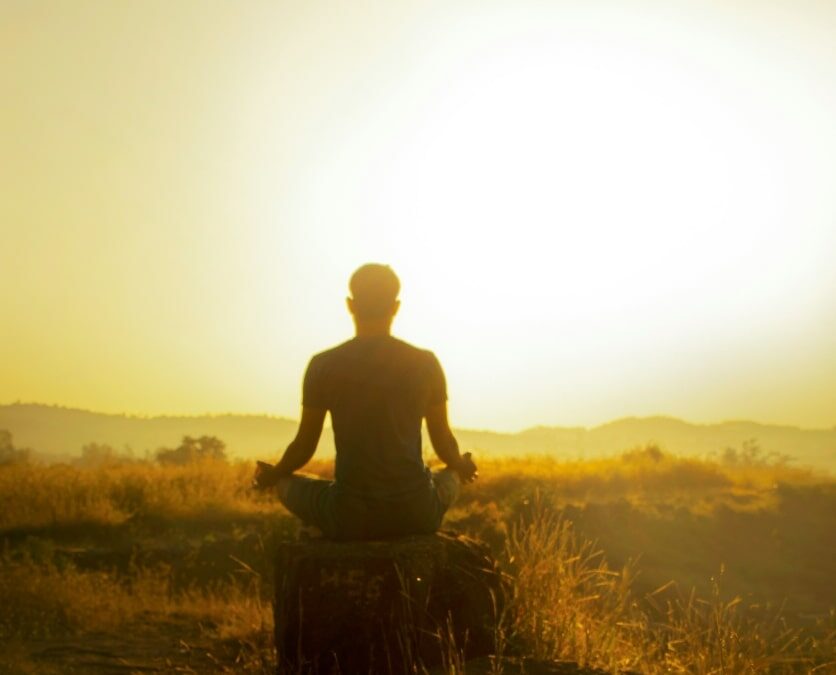
At its core, meditation is about quieting the mind and finding moments of stillness.
For me, the practice has brought presence, calmness, and better sleep.
I typically spend just 5–10 minutes meditating in the morning and again before bed, but even a few minutes can make a difference.
Over the years, I’ve experimented with different methods, and three in particular have helped me the most.
These practices are simple, approachable, and can be adapted to your needs.
Method 1: Body Scan Meditation
A body scan helps bring awareness and relaxation to every part of your being.
You can try this in two ways:
1. Light Visualization – Sit or lie down comfortably. Imagine a gentle beam of light entering through the top of your head and slowly moving downward, inch by inch. As the light travels, it carries peace, love, and forgiveness into every part of you. If your mind wanders (and it will!), gently bring your focus back to where you left off. 2. Sensory Awareness – Starting from the head, consciously relax each body part: your brain, scalp, eyes, jaw, shoulders, chest, and all the way to your toes. This practice not only eases tension but also heightens your awareness of how your body feels inside and out.
Both approaches teach patience, self-kindness, and the art of letting go of frustration when distractions arise.
Method 2: Microcosmic Orbit
Rooted in Taoist tradition, the microcosmic orbit is an energy-centered meditation that helps balance the body.
Here’s the simplified version:
-
Begin by focusing on the base of your body (near the lower abdomen).
-
Visualize energy (chi) moving upward along your spine to the top of your head.
-
Then guide that energy down the front of your body back to the starting point.
-
Keep your tongue gently touching the roof of your mouth to connect the energy flow.
This cycle follows two major channels: the Governing Channel (up the spine) and the Conception Channel (down the front). With practice, you may notice a sense of energy circulating, replenishing, and harmonizing your system.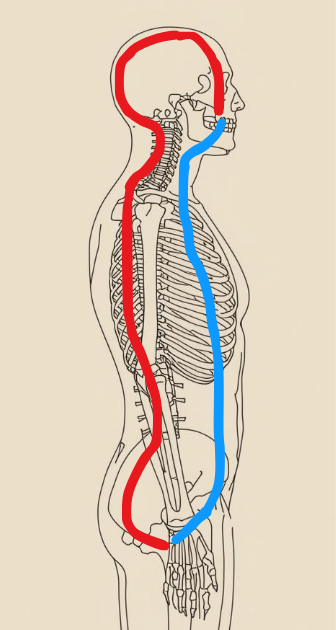
For a deeper dive, Taoist teacher Mantak Chia offers an excellent guide: Microcosmic Orbit Meditation.
Method 3: Breath Awareness
Breath is one of the simplest and most powerful entry points into meditation.
Here are two techniques to try:
1. Box Breathing – Inhale for 4 seconds, hold for 4, exhale for 4, and pause for 4 before inhaling again. This creates a steady rhythm that calms the nervous system and anchors you in the present moment.
2. Cleansing Breath Visualization – Imagine inhaling light, goodness, and clarity with each breath in. As you exhale, release heaviness, fear, and tension. Over time, this practice can feel like you’re washing your entire being with peace and vitality.
Perhaps check out my post on “5 Ways to Make Your Home Smell Good Without Toxic Chemicals” to get in the relaxation mood.
Closing Thoughts
These three methods—body scanning, microcosmic orbit, and breath awareness—are simple ways to begin exploring meditation.
Remember, the journey is personal, and there’s no “right” way to feel.
Even a few minutes of stillness each day can shift your energy and bring balance to a busy life.
I’d love to hear from you: what meditation methods have you tried, and what’s helped you most? Share in the comments—I always love learning new approaches.