How I Improved My Nearsightedness Naturally: From -3.5 to -1.5
Family Eye History
I’ve worn glasses my whole life. All of my siblings also wear glasses, and my father was nearsighted too.
When I was very little, my father had LASIK surgery. While it initially helped, he eventually started having vision issues again.
Seeing this made me cautious about LASIK, so I decided to explore natural ways to improve my eyesight instead.
How It Started
In 2019, I met an ex-optometrist in Korea who had left the optometry business.
She explained that she found the industry’s approach unethical—optometrists often increase a client’s prescription slightly at every visit, creating a long-term dependency on glasses.
She taught me that it’s possible to improve eyesight naturally by gradually reducing your prescription, which helps strengthen the eye muscles responsible for focusing.
When these muscles are underused, they become weaker, which contributes to blurry vision.
My Journey
For the past five years, I’ve been reducing my prescription one step at a time. Here’s how I do it:
Step 1: Get Your Prescription
All I needed was a copy of my prescription from an optometrist. I contacted the store I usually visited (America’s Best) and requested my prescription.
They initially resisted, probably because they didn’t want me ordering glasses elsewhere.
Legally, however, you have a right to your own prescription, and they cannot deny it. Eventually, I was able to pick up the paper in person.
Step 2: Order Weaker Glasses
I use online eyewear stores like Eyebuydirect, Goggles4u, or ZenniOptical.
-
I pick a few frames I like.
-
I select only the basic coating—nothing extra.
-
For my prescription, I reduce the strength by 0.25 from my current glasses.
The ultimate goal is to gradually bring my prescription closer to zero.
Step 3: Adjusting to Weaker Glasses
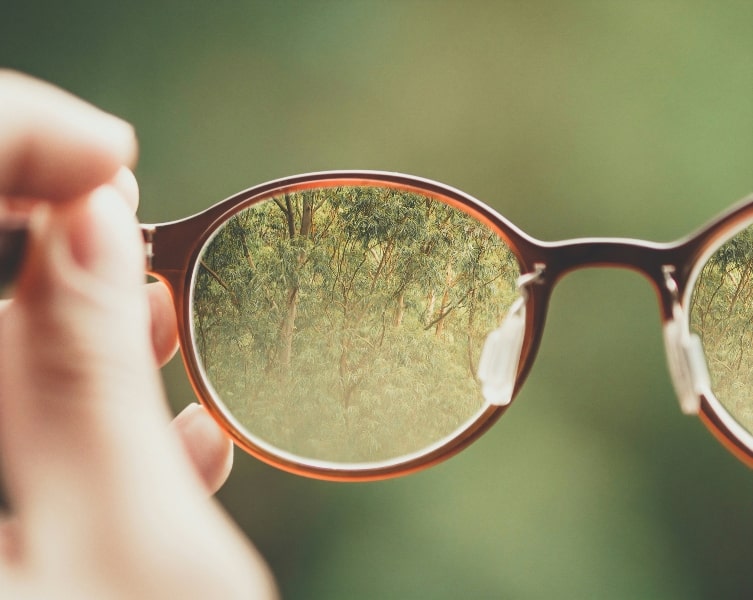
I wear my weaker glasses as much as possible, allowing my eyes to relax and focus naturally. I avoid squinting and let my eyes adjust, even if it takes time.
At first, my eyes would get tired quickly, and I sometimes had headaches. It usually takes about two weeks to adapt to each new adjustment.
-
I still wear my old glasses when I’m driving or feeling lazy.
-
For walks, social outings, or daily activities, I wear the weaker glasses to help my eyes strengthen.
Step 4: Protect and Support Your Eyes
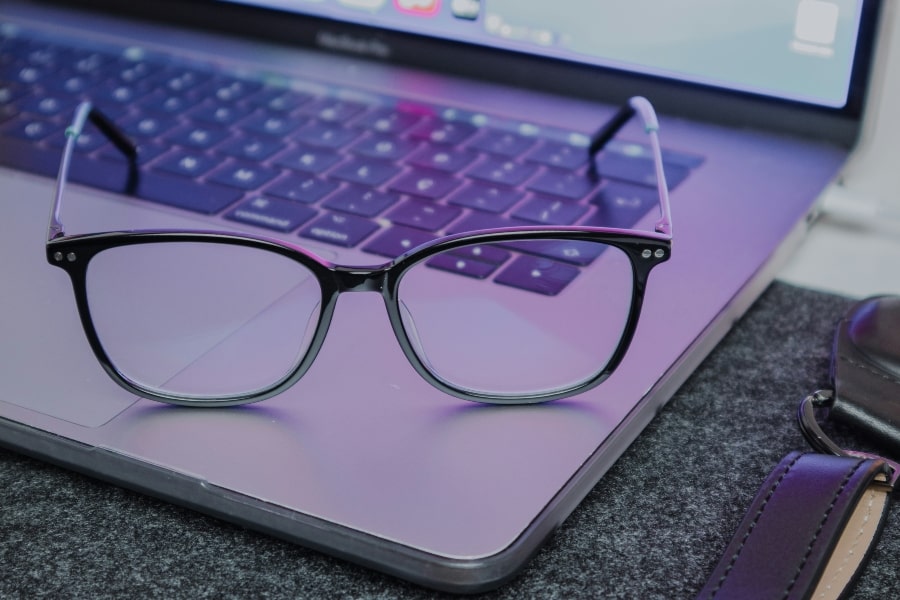
To prevent eye strain, I use non-prescription blue light glasses while working on the computer. My favorite are Swanwick glasses—they feel higher quality than most.
I also reduce blue light on my phone screen as much as possible.
I use Swanwick blue light glasses, and they’ve been a game-changer for reducing eye strain during long hours at the screen.
If you’d like to try them, you can get 10% off your order by using my code PURELYESTHER at checkout.
Conclusion
Although it has taken me a few years to get down to -1.5, I know a person who has done it in 2 years and permanently don’t wear glasses anymore.
The lady optometrist I originally heard this from also improved her nearsightedness.
She said if you have astigmatism you can’t fully rid your bad eyesight but I never had astigmatism.
I am a big advocate for humans being able to heal and regenerate naturally so this has been something I love to share about my own life journey.
I hope this article finds you well and gives you hope. Please share with a loved one that can also use this message. Much love.