👚 What Led Me to Switch to Natural Fibers
Personally, I made the switch because I experienced so much overheating, sweat buildup, and body odor whenever I wore polyester, acrylic, rayon, viscose — basically anything plastic. My body just couldn’t breathe.
On top of that, when I began my detox journey years ago, I started noticing how inflamed my body had been my entire life. My tongue readings showed swelling, my fingers were puffy, and I was constantly bloated. That pushed me to question the “small” things that were irritating my system.
One thing I realized: wearing plastics (synthetic fibers) was stressing my skin and energy. Natural fibers have a higher frequency, and materials like linen and wool are even known for their grounding qualities. Hospitals used to use linen sheets because of how healing and breathable they are. Once I learned that, I made the switch.
🧬How Natural Fibers Align With Holistic Living
For me, holistic living means supporting the body instead of burdening it. Natural fibers do exactly that.
Wearing cotton, linen, wool, or cashmere allows your skin to breathe, release heat, and regulate moisture. I feel calmer, cleaner, and more grounded in them. I notice less inflammation, better odor control, and just overall better energy. They simplify my life because they’re comfortable, repairable, and they return to the earth when they’re worn out.
🥂 The Benefits I’ve Personally Experienced
Beyond comfort and breathability, I experience:
✔ More confidence
I feel luxurious and grounded wearing high-quality natural materials.
✔ Sustainability without effort
Natural fibers can be reused (turned into cleaning cloths, headbands, terry cloths, etc.) or composted if truly 100% natural.
✔ Longevity + repairability
I can re-dye, mend, or refresh natural fabrics easily.
✔ Smell control
They don’t trap odor the way polyester does. And natural fibers can be more thoroughly washed to rid odors.
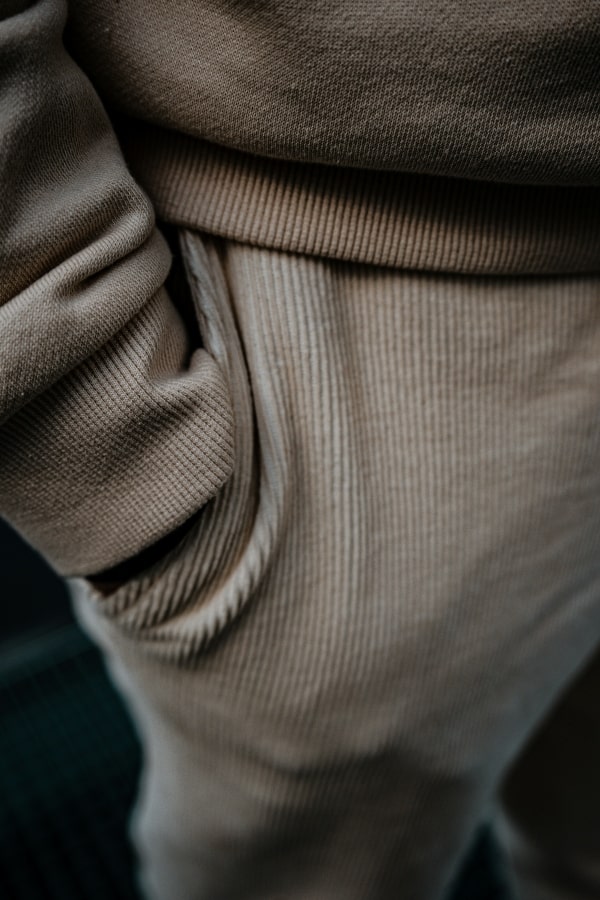
✅ What Counts as a Natural Fiber in My Wardrobe
I mainly prioritize:
-
Linen/Flax/Hemp (summer)
-
Wool/Cashmere/Ramie (winter)
-
Cotton (year-round, “the middle ground”)
-
Silk (beautiful, elegant, but not my everyday since its not as breathable and has low frequency)
I do avoid mixing wool and linen in the same outfit because their frequencies cancel each other out — and yes, I genuinely feel that. I get tired if I mix them.
When buying cotton, I just make sure it doesn’t have that slippery, silky texture (a sign of heavy chemical coatings). Organic cotton is nice, but can be expensive and harder to find.
My main rule:
If it’s more than 5% synthetic fiber, I skip it.
I notice a big difference in breathability, longevity, and how the piece washes.
⚡Materials I Completely Avoid
These just don’t work for me energetically or physically:
-
Polyester
-
Acrylic
-
Rayon
-
Acetate
-
Viscose (including bamboo viscose)
Some people tolerate viscose fine, but I don’t — my body reacts, and I don’t smell good in it. That alone is enough for me.
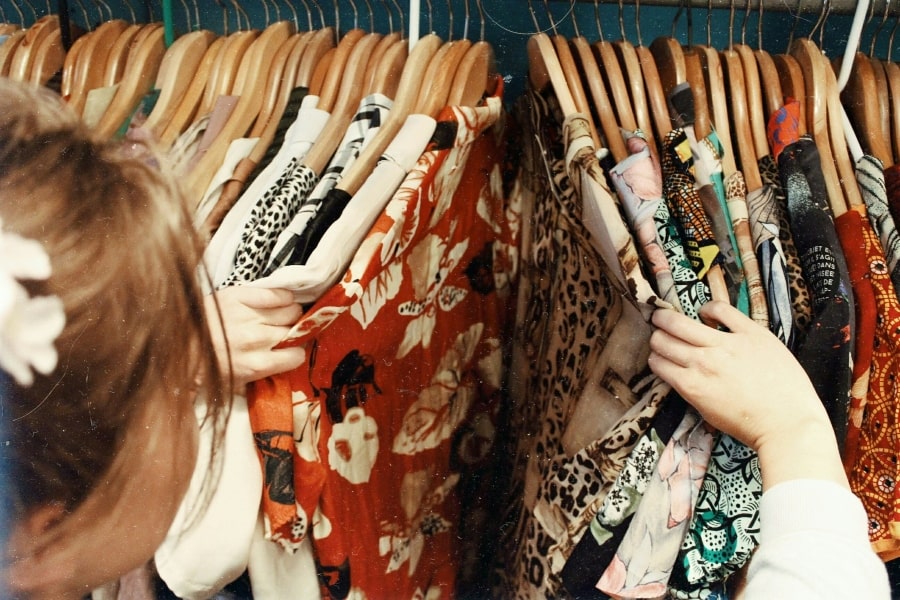
Where I Shop for Natural Fibers
Honestly, I mostly thrift. I’d say 70–80% of my wardrobe is thrifted, and I love browsing my local shops. I’ll check anything on Google Maps that says “thrift store” or “secondhand shop.” For me, that usually includes Goodwill, Thrift Giant, and smaller local spots. (Some of these are more common in Texas, but your area will have its own gems!)
Shops like Uptown Cheapskate, Second Street, or Plato’s Closet pop up a lot too, but I personally avoid Plato’s Closet. It leans very young, and there’s usually a ton of Shein, Forever 21, Papaya, and fast-fashion polyester — which I skip.
When thrifting, I’m hoping to find brands like:
-
Banana Republic
-
Anthropologie
-
LOFT / Ann Taylor
-
Nordstrom or Neiman Marcus labels
-
Vintage natural fiber pieces
These brands often make 100% natural fiber pieces or high-quality blends that last.
🌾How I Spot High-Quality Pieces
A lot of it is touch and construction. Here’s what I look for:
-
Thicker fabric
-
Tight, clean weave
-
Straight stitching
-
Heavier, more substantial feel
-
Natural fiber content on the tag
Sometimes I’ll buy a whole haul, try it on at home, and return what didn’t work. Fit matters, especially with natural fibers.
🔺Red Flags I’ve Learned to Avoid
A few things I skip immediately now:
1. Items that look too small
Natural fibers don’t stretch like synthetic ones. If something looks a size too tight, it probably won’t feel good on.
2. Tight cotton basics secondhand
For items that sit directly on your skin — cotton tees, undershirts, fitted tops — I prefer to buy new. You don’t know how heavily someone sweat in it, what detergent they used, or whether it’s been fully sanitized.
Stores like Uniqlo, Urban Outfitters, or any brand that sells simple cotton basics work better for these.
3. Polyester blends
If the tag says “50% polyester,” I’m out.
Polyester usually means the company cut corners, and I just prefer the feel and breathability of natural fibers.
4. Anything that feels thin, flimsy, or poorly made
If it wrinkles weird, feels plasticky, stretches strangely, or has loose stitching, it’s usually not worth it.
🛒Online Platforms I Use – and my real experience with each:
Poshmark
Good for clothing, easy to search for the most part. They have a good filtering system.
eBay
My favorite.
But it can be overwhelming because you’ll run into fakes or cheap mass-produced items that flood the search results. If you already know the brand or item name you want, it’s perfect — I’ve found two of my favorite jackets ever on there.
Mercari
I used to love it because they had such random, unique finds (I even bought kitchen and bathroom items there). But when they added that extra tax, I low-key boycotted them.
Depop
I’m just getting into it — very trendy, lots of unique pieces.
OfferUp
I mainly use it for shoes, jewelry, and accessories. Clothing is hit or miss since people don’t usually list everyday tops or bottoms.
The RealReal
Good if you’re hunting for something luxury and you know exactly what you’re looking for.
🔍 What I Search For (My Best Natural Fiber Keywords)
These are the exact terms I type in before the subject item when I want natural fibers fast:
-
“100% linen”
-
“100% cotton”
-
“100% wool”
-
“100% silk”
-
“natural fiber”
-
“cashmere”
-
“merino”
-
“alpaca”
- “organic cotton”
-
“genuine leather”
Sometimes I’m super specific. Sometimes I just browse. It depends on my mood.
Bonus tip: If I find a great brand in-store that I didn’t know before, I look them up later online. That’s how I discover more high-quality pieces from that label.
🍃Do I follow a seasonal color palette?
Not at all. I just pick colors I truly love.
At first, I leaned toward neutrals because that’s what you mostly find in natural fibers. But later I intentionally started looking for color — and now I have some fun, loud pieces too.
I don’t believe in seasonal palettes or boxing yourself in. I actually have an article on why I think getting a “color analysis” is silly in general (link below).
👉 Why You Should Wear Whatever Color You Want (Not Seasonal Color Rules)
I wear my wardrobe year-round, adjusting layers as needed.
🏡 How I Decide What to Keep or Donate
I check my wardrobe regularly to see what I’m actually wearing.
If I haven’t worn something for an entire year, it’s going.
If someone compliments an item and clearly loves it, sometimes I literally give it to them on the spot.
If something is too worn or torn, I repurpose or recycle it.
My wardrobe is my favorite “area” of my home, so I maintain it often. And since I thrift a lot, decluttering happens naturally as new pieces come in.
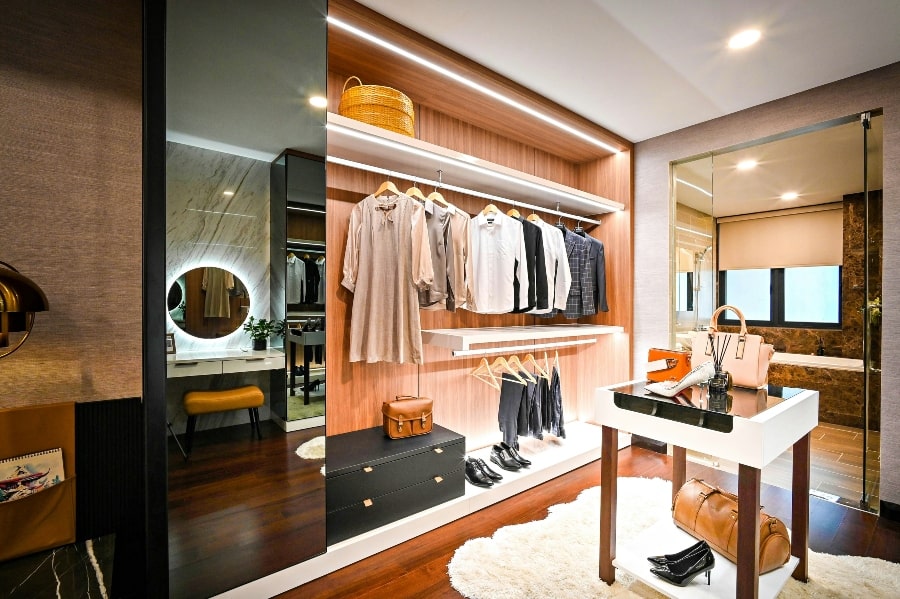
⭐ My Wardrobe Staples
These are the items I ALWAYS look for secondhand:
-
High-quality jackets
-
High-quality shoes
-
100% wool sweaters
-
100% linen blouses
- 100% cotton dresses
-
Cashmere anything
-
Wool trousers
-
Silk blouses for special occasions
- Accessories such as jewelry, bags, hats, and gloves
What I dont look for secondhand are:
- socks
- underwear
- bras
- undershirts
- earrings (or other piercings)
- swimwear
- most athletic wear
- tight fitting t-shirts
- used Panty hose /tights
🌼 Natural Fibers Support My Holistic Lifestyle
This wardrobe shift completely changed how I feel about shopping and self-expression.
I feel freer, more intentional, and honestly more luxurious even though I mostly shop thrift.
I don’t feel pressured to buy trendy things.
Most stores are 80–90% polyester anyway, so it’s easy for me to say no.
Shopping aligns with my values now — quality, longevity, and connection to nature.
Natural fibers simply feel better on my skin – being breathable and better temperature regulators.
And, if you were to burn them (not saying to do that!), they turn to ash — not melted plastic.
Natural fibers also tend to last longer and age beautifully. That’s what keeps me dedicated to them.
📩 Closing Thoughts: What I’d Tell Someone Starting Their Natural Fiber Wardrobe
Have fun with it. Truly.
Exploring 100% natural materials is exciting, grounding, and eye-opening. It takes time — I’ve been doing this for 7+ years — but the joy is in the discovery.
And if you ever want help, I love sharing the high-quality pieces I find online. Sometimes I don’t need them, but I know someone else will. I share my finds on Pinterest, and Poshmark and eBay.
Natural fibers support your body, your energy, your confidence, and the environment. It’s a win-win.
Make sure to subscribe to my email list — I send out weekly posts on holistic living, natural fiber fashion, and my best secondhand finds. Thanks for reading!