
There’s a popular trend right now telling women to find their season — to limit themselves to a specific color palette determined by a consultant, often for hundreds of dollars. You’re told which shades flatter your skin tone, which colors you should avoid, and which ones are supposedly “your best.”
I’m going to say something that may be uncomfortable for some people: I think this trend is mostly bogus.
Not because color doesn’t matter at all — but because the way this system is sold creates restriction, dependency, and insecurity where none needs to exist.
Your Skin Tone Is Not Static
One of the biggest flaws in seasonal color analysis is the assumption that your skin tone is fixed.
It’s not.
Your skin changes constantly depending on:
- Sun exposure
- The lighting you’re in (natural light, red light, blue indoor light)
- How moisturized your skin is
- Whether or not you’re wearing makeup
- The type and shade of foundation you use
- The environment you’re in (outdoors, indoors, photography, evening vs. daytime)
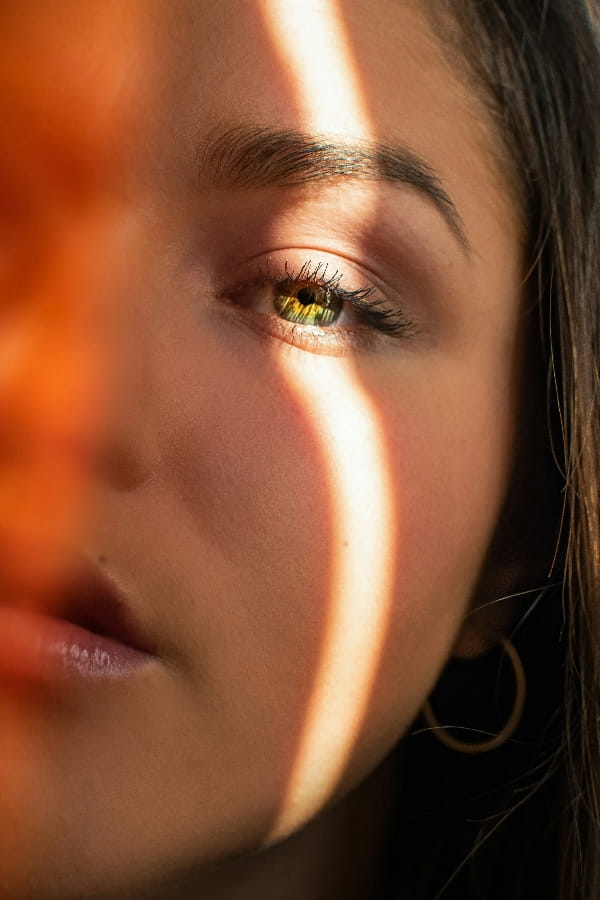
This is no different from makeup. People adjust their makeup based on the setting they’ll be in — especially for photoshoots or events. You wouldn’t wear the same foundation in harsh daylight that you would under warm indoor lighting.
So why would we assume that one consultation, on one day, in one lighting condition, can permanently define what colors you’re “allowed” to wear?
Confidence Matters More Than “Flattering”
What matters far more than finding your so‑called best colors is your relationship to what you’re wearing.
When you wear colors you genuinely love — colors that feel aligned with who you are — that confidence shows. That energy shines through far more than whether a shade technically complements your undertone.
I’ve lost count of how many times someone has told me, “That color looks so good on you,” while internally I hated the color.
And you know what? I didn’t wear it.
Not because I was being stubborn, but because I refused to let someone else’s approval override my own intuition. Sometimes I came to like that color later — and then I wore it. But that happened on my timeline, not out of pressure.
Where I Do Agree With Color Theory
I’m not saying color theory is entirely useless.
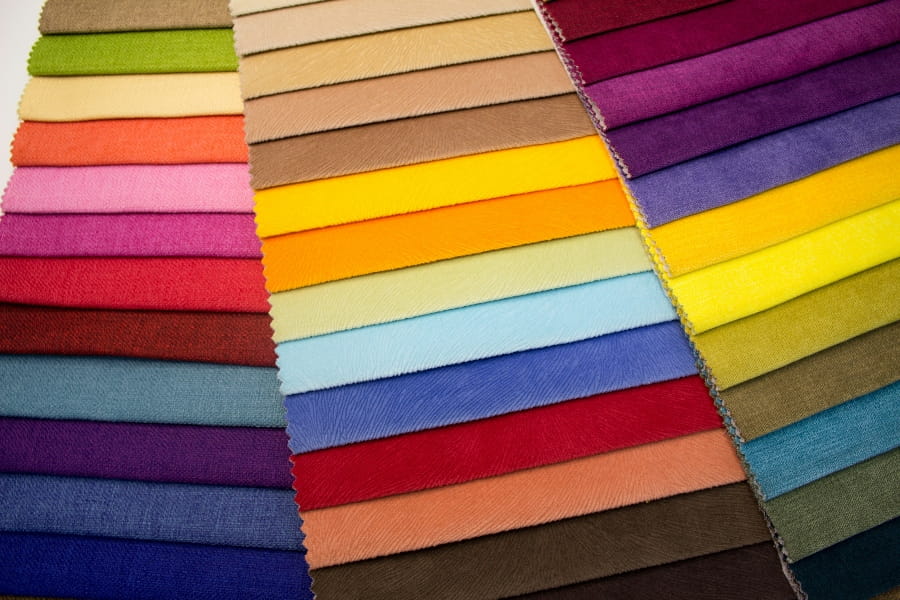
There are general patterns — certain tones tend to look richer on certain skin tones. Deep mustard yellow, for example, often looks stunning on deep, dark skin tones and can feel harsh on very pale skin. These broad observations can be helpful as information.
Where I disagree is when these ideas become rules.
Rules like:
- “You should never wear this color.”
- “This isn’t in your palette.”
- “That shade isn’t for you.”
That kind of thinking removes personal agency and creativity from getting dressed.
Style Is About Expression, Not Permission
One of the reasons I love shows like Wear Whatever the F You Want is because the focus is on self‑expression — not correction.
Style becomes about:
- Who you want to be
- What you want to express
- How you want to feel that day
You can pick a theme. You can step into a role. You can play with identity. Clothing becomes a tool for becoming — not a box you’re trapped inside.
That’s why I believe people should wear whatever they want — as long as it’s intentional and in good taste.
Color as a Tool for Growth
Liking the colors you wear is important. But so is self‑observation.
Notice things like:
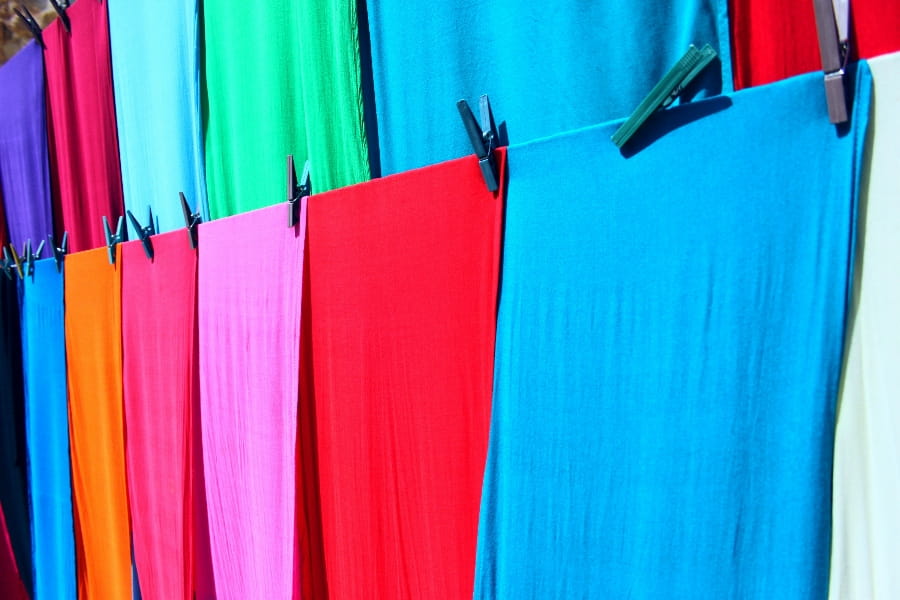
- A fear of wearing bright red even though you love it
- Avoiding color altogether and only buying black or muted tones
- Feeling drawn to neon, bold, or playful colors but never acting on it
These patterns often point to comfort zones — and growth happens just outside of them.
Wearing color can be a surprisingly powerful way to build confidence, inch by inch. It allows you to be seen a little more each time, without forcing yourself into something extreme.
Final Thoughts
Instead of asking, “Does this color look good on me?”
Try asking:
- Do I like how I feel in this?
- How do I want to feel in my outfit today? (Punk, calm, elegant, preppy, etc.)
- Am I choosing this out of love or out of fear?
- What is the overall theme I am going for?
Trends will come and go. Palettes will change. But your intuition is far more reliable than a seasonal chart.
So yes — wear whatever color you want.
And wear it with confidence.
Truly Yours,